

Before You Go
Travel Resources
Everything you need to prepared for your African adventure. From visa regulations to what to pack in your bag.
Travel Smart
Good Planning = Great Safari
A safari is a unique trip with specific requirements. Being prepared ensures you can focus entirely on the wildlife and experience. Here are our essential guides.
What to Bring
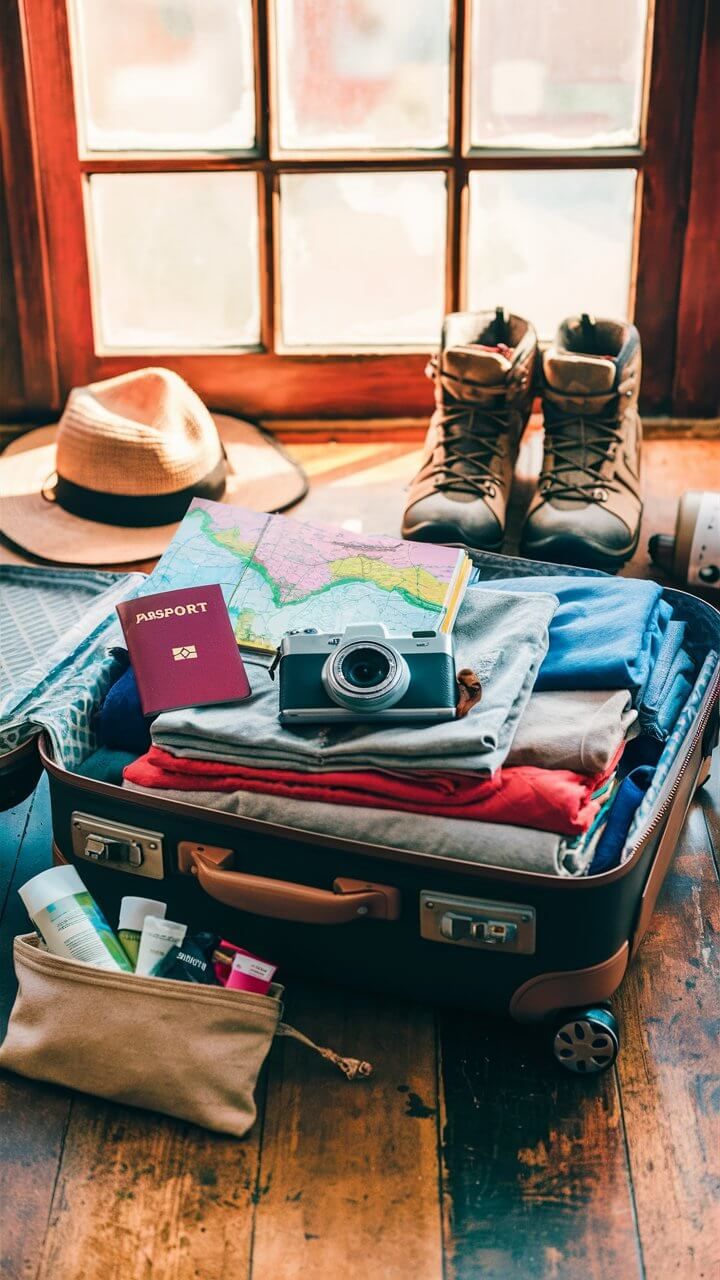
Safari Packing List
The golden rule is: Pack light, pack right. Soft-sided bags are often mandatory on small flights.
Neutral colors (khaki, green, beige). Avoid bright blue/black (attracts tsetse flies) and camouflage (military only). Layers for cool mornings. Hat and sunglasses.
Camera with good zoom lens (300mm+ recommended). Binoculars (8x42 or 10x42). Power bank. Universal travel adapter (Type G - British style).
Sunscreen, insect repellent (DEET), malaria prophylaxis (consult doctor), personal medications, lip balm.
Formalities
Visa & Health
- Kenya ETA: Kenya has replaced visas with an Electronic Travel Authorisation (eTA). Apply online at least 3 days before travel.
- Yellow Fever: A certificate is often required if arriving from a country with risk of Yellow Fever transmission (including transit >12 hours).
- Malaria: Most safari areas are malaria zones. Consult your travel clinic for prophylaxis.
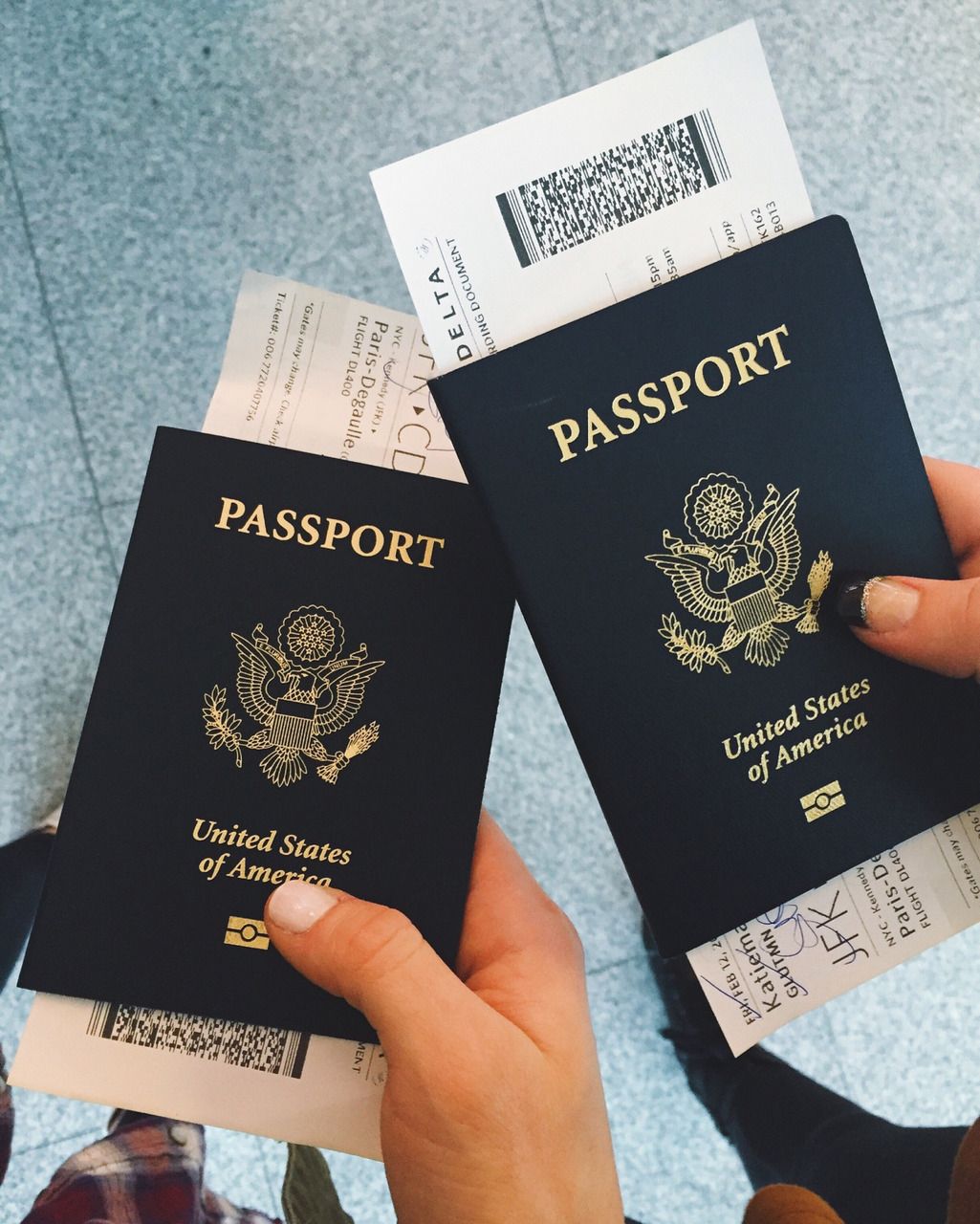
- Passport: Must be valid for at least 6 months beyond travel date with 2 blank pages.
Good to Know
Planning & Culture
Budget Planning
Safari costs vary greatly by season and comfort level.
- Inclusions: Most of our quotes include park fees, transport, guide, and full-board accommodation.
- Exclusions: Tips, international flights, visas, and drinks (unless specified).
- Tipping: Customary in Kenya. Guide ($10-20/day), Camp Staff ($5-10/day).
Cultural Etiquette
Respect is key when visiting local communities.
- Photography: Always ask permission before taking photos of people, especially Maasai/Samburu.
- Dress: Modest dress involves covering shoulders and knees when visiting villages or towns.
- Environment: Take nothing but photos, leave nothing but footprints.
Ready to Start Planning?
Our team is here to guide you through every step of the process.